
Empowering Female Athletes: The Journey of Learning Together
- Danielle McDonough

- Jan 27
- 3 min read
One of the biggest misconceptions in youth sports is that parents are supposed to know exactly what to do. What to say after a tough game. How to respond to frustration. When to step in. When to step back. How to support without adding pressure.
The truth is much simpler—and much more freeing:
Parents are learning too. And that matters.
You Don’t Need to Be the Expert
Parenting an athlete isn’t about mastering the perfect response or having a solution ready at all times. Sport is dynamic. Athletes grow, change, struggle, and evolve. What worked last season might not work this one. Learning how to support as things change is part of the process.
That learning often looks like:
Figuring out when encouragement helps—and when space is better.
Learning how to listen without immediately fixing.
Recognizing when support becomes pressure.
Adapting as your athlete becomes more independent.
This isn’t failure. It’s development.

Why Learning Together Builds Stronger Foundations
When parents approach sport as something they’re navigating alongside their athlete, the relationship shifts. Athletes feel:
Less judged.
Less managed.
More understood.
More supported.
Learning together creates space for trust to grow. It improves communication. And it reminds athletes that they’re not alone when things get hard. Instead of feeling like they need to perform to earn support, athletes begin to feel safe being honest about what they’re experiencing. That safety matters.

Support Doesn’t Have to Be Loud to Be Strong
Strong support systems aren’t built on constant advice or motivation. They’re built on:
Presence.
Curiosity.
Patience.
Willingness to learn.
Sometimes the most supportive thing a parent can say is, “I’m still learning this too.” That statement alone can reduce pressure and open the door to better conversations.
You’re Not Behind—You’re Building
If this season feels different than the last one… If your athlete needs different support than before… If you’re unsure what the “right” move is right now… that doesn’t mean you’re doing it wrong. It means you’re in the middle of building something deeper.
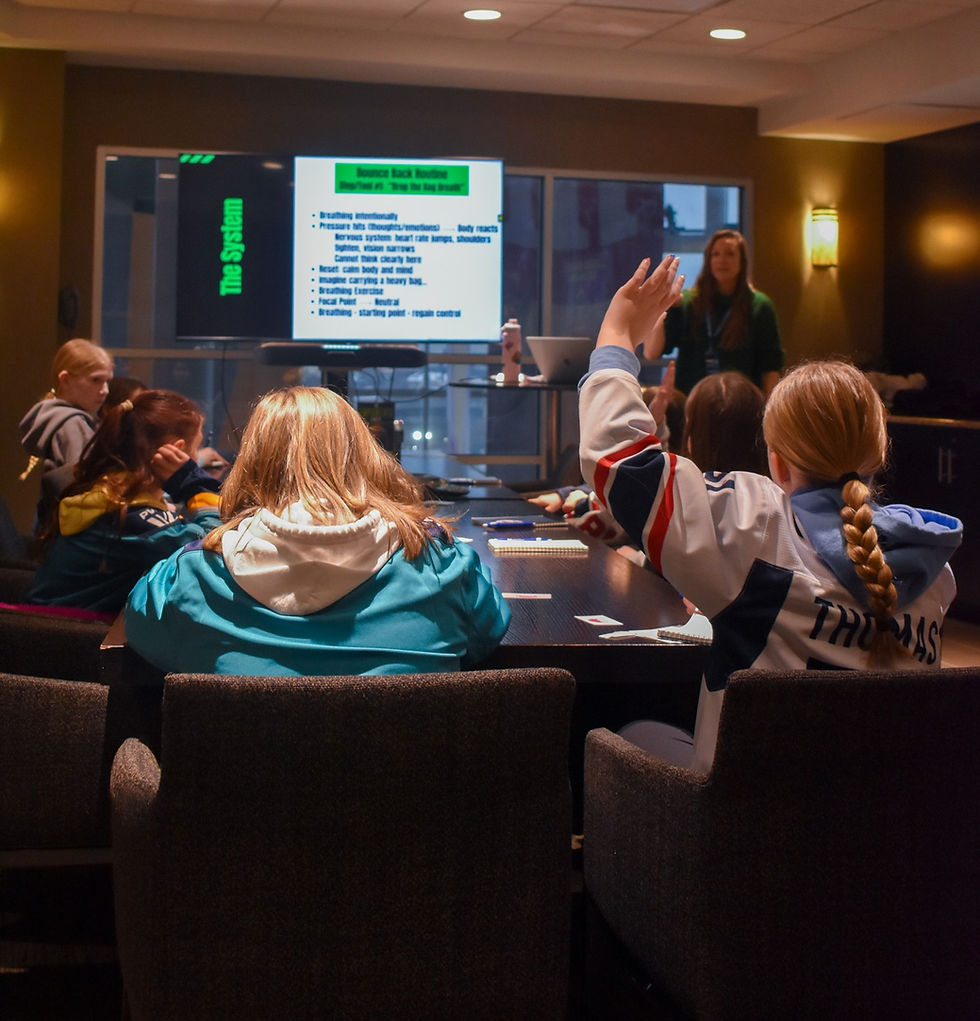
Strong foundations aren’t built by parents who have all the answers. They’re built by parents who stay engaged, reflective, and willing to grow. This is also why the work I do with athletes often includes their parents. Supporting an athlete doesn’t happen in isolation — and parents deserve guidance too, especially as roles change and expectations shift.
When parents feel supported and confident, athletes feel it. Learning with your athlete isn’t just helpful. It’s foundational—for confidence, resilience, and long-term well-being. And you’re doing more right than you think.

The Importance of Communication
Effective communication is key in any relationship, especially between parents and young athletes. Open dialogues foster understanding and create a safe space for athletes to express their feelings.
Listening is Just as Important as Speaking
When you listen actively, you show your athlete that their thoughts and feelings matter. This builds trust and encourages them to share more. It’s not just about giving advice; it’s about being present and engaged in their journey.
Encouraging Honest Conversations
Encourage your athlete to share their experiences, both good and bad. Ask open-ended questions that prompt deeper discussions. This not only helps them process their emotions but also strengthens your bond.
Navigating Challenges Together
Every athlete faces challenges, whether it’s a tough game, a difficult practice, or personal struggles. As a parent, being there to navigate these challenges together can make a world of difference.
Understanding Their Perspective
Try to see things from your athlete's point of view. What might seem trivial to you could be a significant hurdle for them. Acknowledging their feelings can help them feel validated and supported.
Finding Solutions Together
Instead of jumping in with solutions, work together to brainstorm ideas. This collaborative approach empowers your athlete and teaches them problem-solving skills that extend beyond the rink.
Celebrating Progress
Every step forward, no matter how small, deserves recognition. Celebrate your athlete's achievements, whether they’re personal bests or improvements in their skills.
Creating a Positive Environment
Acknowledge their hard work and dedication. This positive reinforcement boosts their confidence and motivates them to keep pushing forward.
Setting Goals Together
Help your athlete set realistic and achievable goals. This gives them something to strive for and allows you to celebrate their progress along the way.
Conclusion: Embrace the Journey
The journey of supporting your athlete is ongoing. Embrace the learning process, both for yourself and your athlete. Remember, you’re not just building skills; you’re building a relationship based on trust, understanding, and mutual growth.
As you navigate this journey together, keep in mind that you’re doing more right than you think. Your willingness to learn and grow alongside your athlete is a powerful foundation for their success.
Keep supporting, keep learning, and keep celebrating every moment of this incredible journey together.


Comments